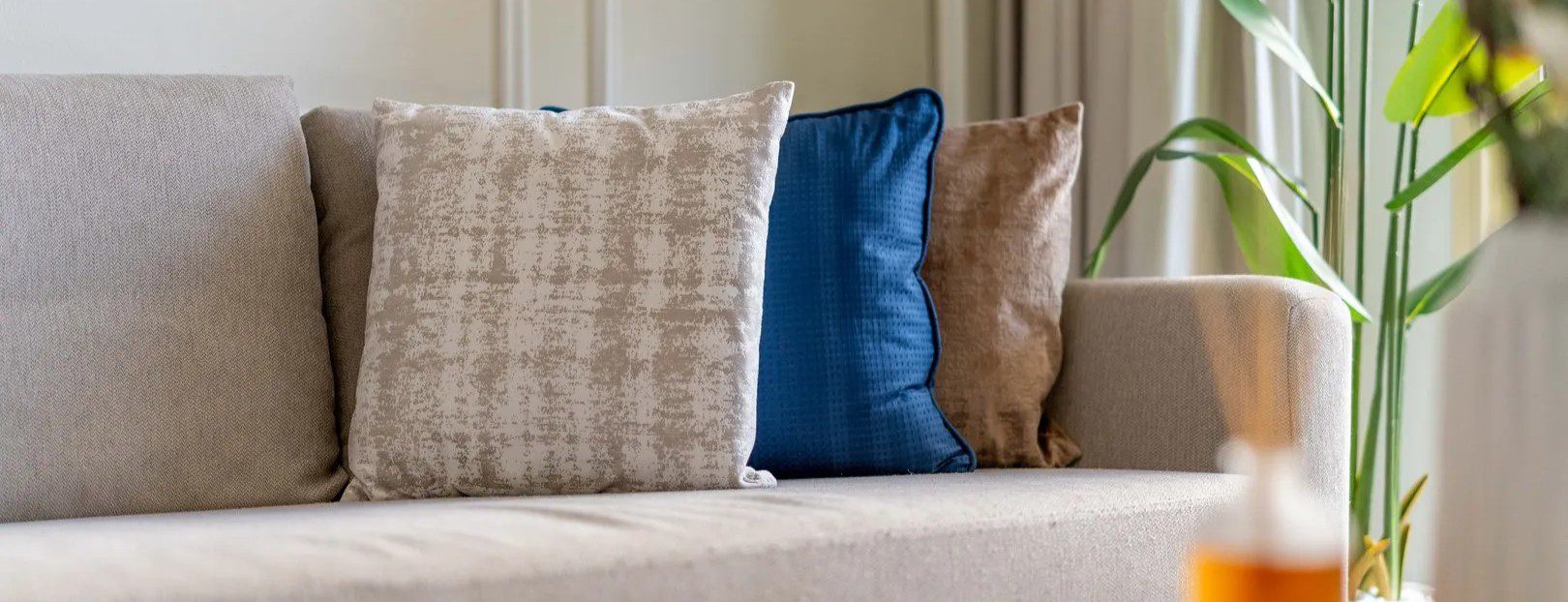
Holiday home makeover: how to design an Airbnb guests will love
Last updated: November 25, 2025
Your holiday rental’s Airbnb interior styling directly impacts your bookings, reviews, and nightly rates. Guests scroll through dozens of listings before choosing where to stay, and most make their decision within seconds based on photos alone. A thoughtful makeover can transform an average property into a sought-after destination that commands premium prices and earns five-star reviews.
This guide covers the key design principles that make holiday rentals stand out. These tips will help you create an Airbnb that photographs beautifully, feels welcoming in person, and keeps guests coming back—no matter where you are in your makeover journey.
Before you start: planning your holiday home makeover
A successful makeover begins with a clear plan. Before buying furniture or picking paint colours, take time to assess your current space and define your goals. If you’re looking for a complete Airbnb furnishing solution, we also have dedicated guidance on that.
Assess your property’s strengths and weaknesses
Walk through your rental as if you were a guest arriving for the first time. What catches your eye? What feels dated or uncomfortable? Take photos and compare them to top-performing listings in your area. Note what’s working and what needs attention.
Consider asking previous guests for honest feedback. Reviews often highlight specific issues—an uncomfortable sofa, poor lighting, or a lack of storage—that you might overlook as an owner.
Define your target guest
Who stays at your property? Business travellers have different needs than families or couples on a romantic getaway. A city apartment attracting young professionals might suit a modern, minimalist aesthetic, while a countryside cottage could embrace a cosy, rustic feel.
Understanding your ideal guest helps you make design decisions that appeal to them specifically, rather than trying to please everyone.
Set a realistic budget
Makeovers can quickly become expensive. Prioritise spending on items that guests interact with most: the bed, sofa, and bathroom essentials. These high-impact areas influence reviews more than decorative touches.
Decide what you can refresh (new cushions, a coat of paint) versus what needs replacing entirely. Sometimes small changes make a bigger difference than you’d expect.
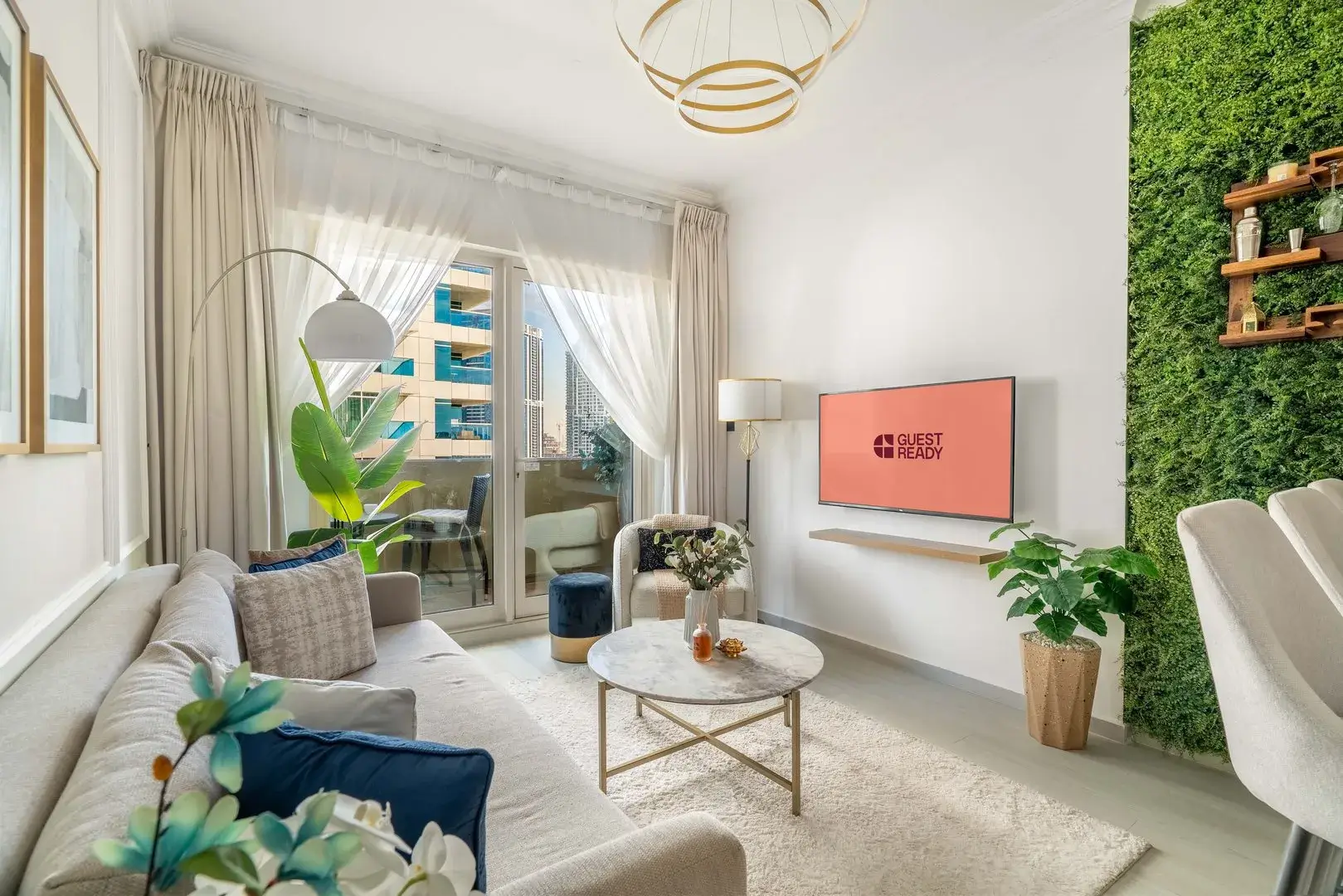
Six design principles for a successful holiday home makeover
We’ve gathered six key points to consider when redesigning your holiday rental. Each one addresses a different aspect of interior design, from lighting and colour to comfort and practicality. Whether you tackle all six or focus on a few, these principles will help you create a space that guests love. We hope they help!
1. Take advantage of natural light
Guests choose holiday rentals over hotels because they want a space that feels like a home, not a room. Natural light plays a huge role in creating that welcoming atmosphere.
How to maximise natural light
Arrange your furniture to make the most of your windows. Place desks and reading chairs near natural light sources. Position sofas to face sliding doors or large windows so guests can enjoy the view.
Keep window areas clear of clutter. Heavy curtains, stacked boxes, or bulky furniture near windows block light and make spaces feel cramped. Opt for sheer curtains or blinds that can be fully opened during the day.
If you have a balcony or terrace, resist the urge to fill it with furniture. Too many items can block light from entering the main living space and obstruct views that guests are paying to enjoy.
Solutions for low-light properties
Not every property is blessed with abundant sunshine. If your rental lacks natural light, create warmth through thoughtful artificial lighting instead.
Invest in a mix of light sources: overhead fixtures for general illumination, table lamps for ambience, and task lighting near workspaces or reading areas. Warm-toned bulbs (2700K-3000K) create a cosy atmosphere, while cooler tones can make spaces feel sterile.
Always switch on lamps before guests arrive. Walking into a bright, welcoming space sets a positive tone for the entire stay. Nobody wants to check in to a dark, unwelcoming property.
2. Opt for feature items over feature walls
Bold design choices can backfire in holiday rentals. A bright red feature wall might reflect your personality, but it could clash with guests’ tastes and make your listing polarising rather than broadly appealing.
A safer approach to adding colour
Instead of painting walls in bold colours, introduce colour through items that can be easily changed: cushions, throws, rugs, artwork, and decorative objects. This approach lets you refresh your space seasonally or update it based on guest feedback without repainting entire rooms.
Neutral walls also photograph better. They make spaces appear larger and allow your furniture and decor to stand out in listing photos.
Creating a cohesive colour scheme
If you add colourful items, coordinate them thoughtfully. Choose two or three accent colours and repeat them throughout the space. A Turkish rug with red and gold tones could be complemented by cushions in similar shades and artwork that picks up those colours.
Avoid mixing too many patterns or competing colour palettes. The goal is a space that feels curated and intentional, not chaotic.
3. Invest in comfort and style
Guests remember how your property made them feel. A beautiful space that’s uncomfortable to live in will earn mediocre reviews, while a comfortable property with modest decor often receives glowing feedback.
Prioritise what guests use most
Focus your budget on high-contact items:
The bed: This is the single most important piece of furniture in your rental. Invest in a quality mattress, plush pillows, and soft, high-thread-count linens. Guests will forgive a lot if they sleep well, but a poor night’s rest colours their entire experience.
The sofa: After the bed, guests spend most of their time on the sofa. Choose one that’s genuinely comfortable for sitting and lounging, not just attractive in photos. Test it yourself—could you spend an evening watching films on it?
Bathroom essentials: Provide fluffy towels, a powerful shower, and quality toiletries. These small touches signal that you care about your guests’ comfort.
Quality over quantity
Cheaper furniture and linens might save money upfront, but they wear out faster, look tired in photos, and generate complaints. Higher-quality items last longer, feel better, and ultimately protect your ratings and revenue.
4. Personalise the space without overdoing it
Holiday rental guests want character and authenticity. They chose your property over a hotel because they wanted something unique. The challenge is adding personality without making guests feel like intruders in someone else’s home.
What works
Local touches that connect guests to the neighbourhood create memorable experiences. If your flat is near London’s West End, frame vintage theatre programmes or show posters. A coastal property might feature local artwork or tasteful nautical elements. A countryside cottage could incorporate rustic antiques or vintage farm equipment in the garden.
Books about the local area, curated guides to nearby restaurants, and thoughtful recommendations show guests you care about their experience and help them feel at home.
What to avoid
Remove personal family photos, children’s artwork on the fridge, and anything that makes guests feel they’re staying in someone’s lived-in home rather than a prepared rental. Religious or political items can also make guests uncomfortable.
The goal is to hint at personality and place without overwhelming the space or making guests feel like they’re intruding.
5. Make it practical
Beautiful design means nothing if your property doesn’t function well for guests. Every design decision should consider practicality alongside aesthetics.
Storage matters
Guests need somewhere to put their belongings. Ensure bedrooms have adequate wardrobe space with hangers, drawers or shelves for folded clothes, and room for luggage. Bathrooms need space for toiletries. Living areas should have surfaces where guests can set down books, drinks, or devices.
A lack of storage frustrates guests and often appears in negative reviews.
Think through daily routines
Consider how guests will actually use each space. The kitchen needs clear counter space for preparing meals, not just decorative items. Workspaces need accessible power outlets and good lighting. Outdoor areas benefit from weather protection so they’re usable year-round.
Walk through a typical guest’s day—arriving, cooking, working, relaxing, sleeping—and ensure your design supports each activity.
6. Use tricks to give the illusion of space
Small properties can feel spacious with the right design choices. These techniques help compact rentals appear larger and more inviting.
Strategic mirror placement
Mirrors reflect light and create the illusion of depth. Place them opposite windows to bounce natural light around the room, or use a large mirror on a wall to make a narrow space feel wider.
Avoid placing mirrors where they’ll reflect clutter or create awkward sightlines.
Declutter ruthlessly
Clutter is the enemy of small spaces. Remove everything that doesn’t serve a purpose or bring genuine beauty to the room. Shelves packed with books, surfaces covered in ornaments, and counters crowded with appliances make spaces feel cramped and chaotic.
In compact properties, adopt a minimalist approach. Choose fewer, better items and ensure every surface has breathing room.
Furniture scale and placement
Choose furniture proportionate to your space. Oversized sofas dominate small living rooms, while tiny furniture in large spaces looks lost. Leave clear pathways between furniture pieces so the space feels open and easy to navigate.
Consider furniture with visible legs—sofas and chairs raised off the floor create a sense of openness that bulky, floor-level pieces don’t.
Next steps: bringing your makeover to life
A holiday home makeover is an investment in your rental’s future performance. Done well, it increases bookings, justifies higher nightly rates, and generates the five-star reviews that keep your calendar full. Learn more about how you can increase Airbnb income with interior design.
If you’re unsure where to start or want professional guidance, GuestReady’s team has years of experience helping hosts transform their properties. We can advise on design choices that appeal to guests and maximise your rental income.
In the UK, we partner with HomeWings to offer professional styling and decorating services for Airbnb properties. Hosts in Portugal can access discounted rates with TGV for interior decorating.
Ready to transform your holiday rental?
Get in touch with GuestReady to discuss how we can help with your holiday home makeover