Porto city break: Your ultimate guide to the perfect getaway
Last updated: January 19, 2026
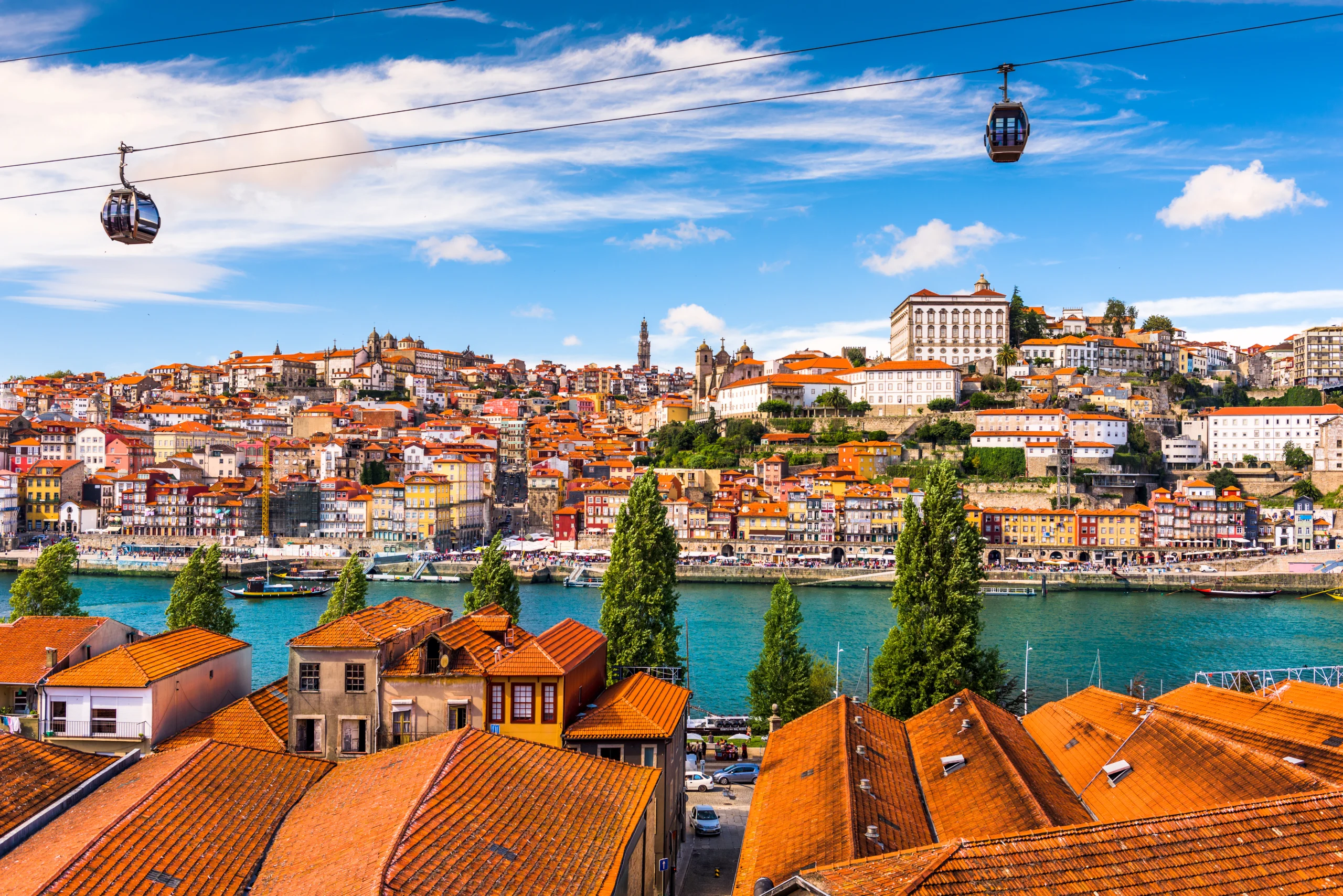
Planning a Porto city break? This riverside city in northern Portugal delivers baroque architecture, world-famous port wine, authentic Portuguese culture, and some of Europe’s best food, all packed into a compact city that’s perfect for a Porto holiday.
Unlike cities that feel like open-air museums, Porto still functions as a real place where real people live and work. You’ll share the steep cobbled streets with locals heading to the market, stumble across neighborhood taverns unchanged for decades, and discover that the best food comes from family-run spots with no English menus. The tourist attractions exist, certainly, but they don’t define Porto the way they do in other European cities.
This guide maps out what to visit during a practical 3-day Porto itinerary, from port wine cellars and azulejo-tiled churches to riverside walks and the Douro Valley. You’ll find honest advice on getting around those hills, where to stay, what to eat (Francesinha, obviously), and how to experience Porto beyond the Instagram spots.
If you’re still deciding where to stay, check out our guide to holiday apartments in Porto for neighborhood recommendations. Ready to book? Browse available properties and book your stay with GuestReady.
Book a vacation rental
Planning your trip to Porto
How many days do you need?
Three days works perfectly for Porto. The city is compact enough to cover thoroughly without feeling rushed, but substantial enough that you won’t run out of things to do.
In three days, you can explore the historic center, cross the iconic bridge to Vila Nova de Gaia for port tastings, wander through neighborhoods locals actually live in, and eat your way through traditional tascas serving food that hasn’t changed in decades. Porto rewards a relaxed pace. The best experiences often involve sitting in a riverside café watching the light change on the colorful buildings, not ticking off a checklist.
Two days works if you’re on a tight schedule, but you’ll be racing between attractions and missing Porto’s laid-back atmosphere. Four or five days lets you slow down properly, add beach time at Matosinhos, or take day trips to the Douro Valley wine region or nearby cities like Aveiro, Braga and Guimarães.
The itinerary below assumes three full days and balances Porto’s main attractions with the authentic, local experiences that make the city special.
Best times to visit Porto
Porto works year-round, though each season brings different weather and crowds.
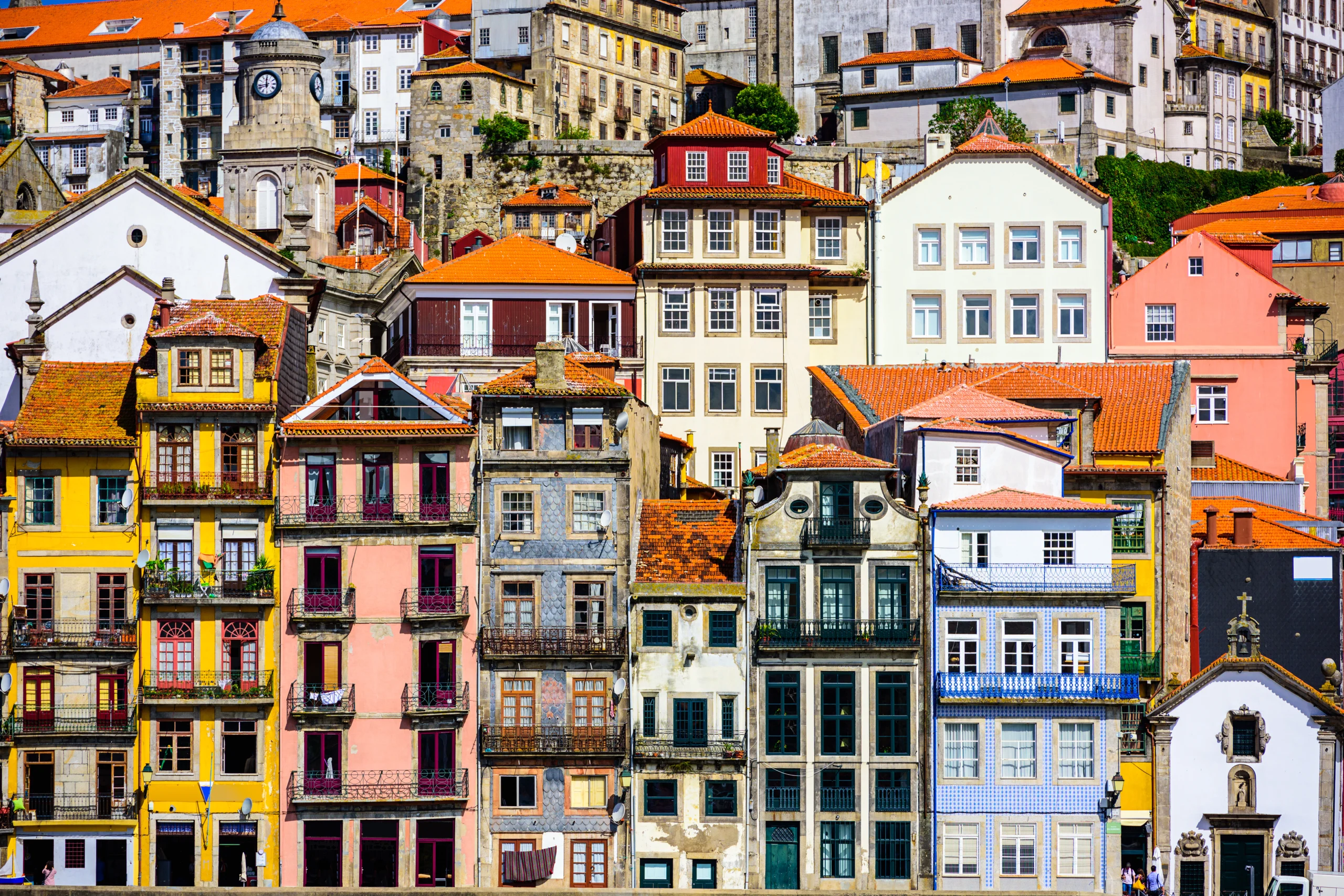
- Spring (March to May) brings mild temperatures and blooming jacaranda trees that turn streets purple in late May. The weather sits comfortably between 15°C and 20°C, perfect for walking Porto’s steep hills without overheating. This is peak tourist season, so expect busier attractions and higher accommodation prices. Book port cellar tours and restaurants in advance.
- Summer (June to August) means warm, dry weather with temperatures around 25°C to 28°C. Locals head to the beaches, and the city fills with international visitors. São João Festival in late June is Porto’s biggest celebration, with street parties, grilled sardines, and locals hitting each other with plastic hammers (yes, really). Accommodation prices peak during summer, especially around São João.
- Autumn (September to November) might be the best time to visit. September stays warm and sunny, crowds thin out after summer, and grape harvest season means the Douro Valley looks spectacular. October brings more rain but fewer tourists and better prices. The weather stays mild enough for comfortable exploring.
- Winter (December to February) is quiet and affordable. Temperatures hover between 8°C and 15°C with frequent rain, but Porto’s charm works in any weather. Cozy tascas, steaming bowls of caldo verde soup, and uncrowded port cellars make winter visits rewarding. Christmas markets and New Year celebrations add festive atmosphere. Just pack waterproofs and layers.
Whenever you visit, book accommodation in advance. Porto has grown increasingly popular, and good-value places fill up quickly, even in winter.
Getting around Porto
Porto is wonderfully compact but seriously hilly. Those picturesque riverside views come at the cost of steep cobbled streets that will test your calves.
Walking is the best way to explore the historic center. Most attractions sit within 20 minutes of each other, and you’ll discover Porto’s best bits wandering through narrow streets lined with azulejo tiles. Wear comfortable shoes with grip. The cobblestones get slippery when wet, and you’ll be doing a lot of uphill walking.
The metro covers the city efficiently with six color-coded lines connecting major areas including the airport, São Bento station, and beach suburbs. Trains run from roughly 6am until 1am. You’ll need an Andante card to travel, which you can load with individual trips or buy as an unlimited travel pass.
Buses fill the gaps the metro doesn’t reach, using the same Andante card. Vintage trams rumble along three tourist routes for scenic rides, though they cost more than regular transport. Taxis and ride-sharing apps work well for late nights or when the hills defeat you.
Where to stay in Porto
Porto’s neighborhoods each offer something different, though most visitors do best staying in or near the historic center for a first visit.
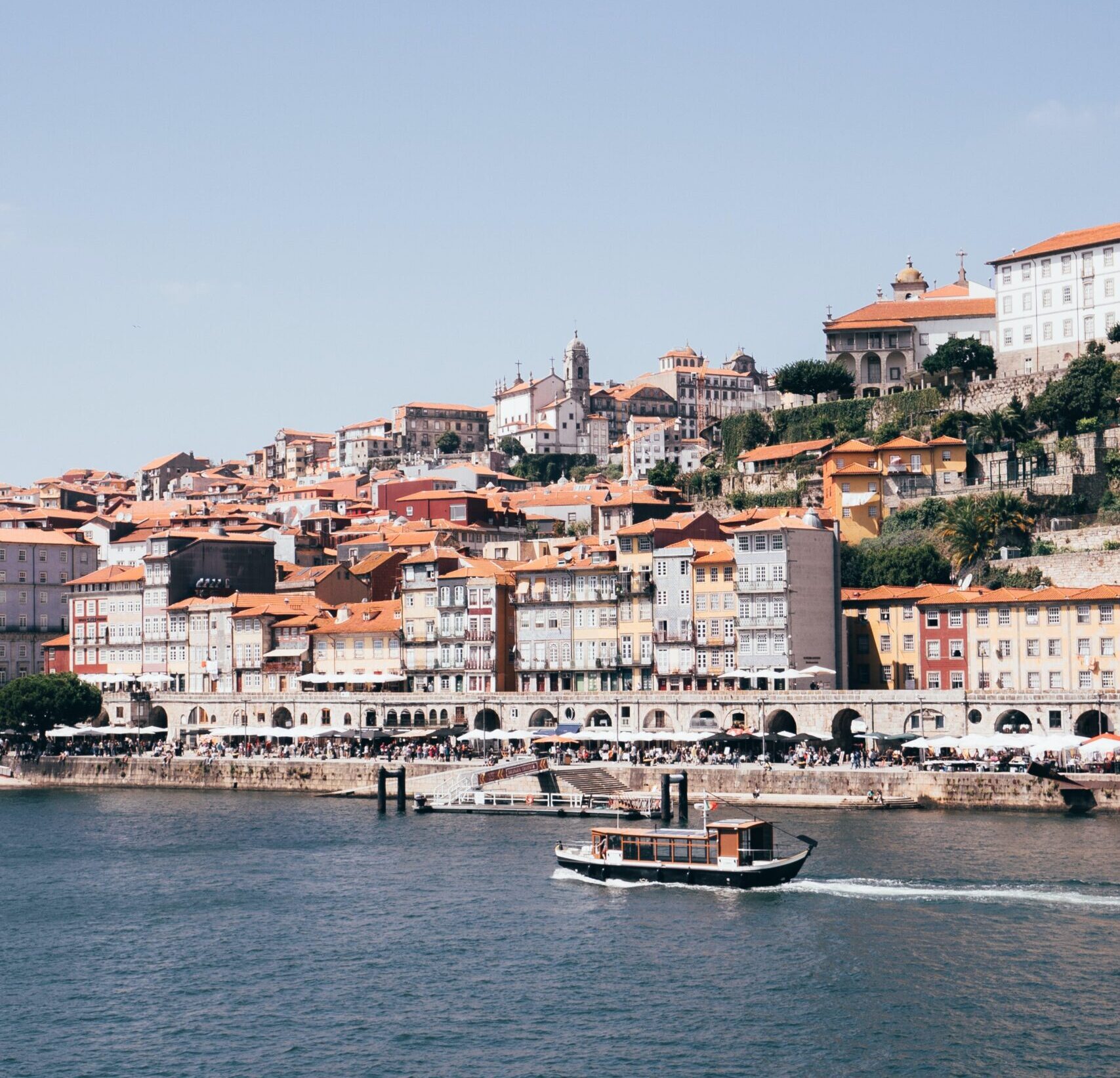
- Ribeira sits right on the Douro riverfront with colorful buildings, riverside restaurants, and undeniable charm. You’re steps from the water and the iconic Dom Luís I Bridge. The trade-off? It’s the most touristy area in Porto, gets loud at night, lacks metro access, and you’ll face uphill walks anytime you head out to explore beyond the riverfront.
- Baixa is Porto’s buzzing downtown around Avenida dos Aliados. It’s central, well-connected by metro, and packed with shops, restaurants, and cafés. The atmosphere skews younger and trendier, with excellent nightlife. You’re walking distance to most attractions without being stuck in the tourist crowds of Ribeira.
- Clérigos balances local life with tourist convenience. Despite heavy foot traffic around the famous tower, the neighborhood keeps its authentic character. You’re close to Livraria Lello, excellent restaurants, and shops that locals actually use. It feels less staged than Ribeira whilst staying central.
- Bolhão sits just north of the city center near Porto’s traditional market. The area has a more residential feel with good metro connections, local tascas, and lower prices than the tourist zones. You’ll walk slightly more to reach major attractions, but you’re living more like a local.
- Vila Nova de Gaia technically sits across the river in a different city, but it’s just a five-minute walk over Dom Luís I Bridge. This is where the port wine cellars are, with stunning views back toward Porto’s skyline. It’s quieter than Ribeira but still close to everything.
Considering Porto property investment? Our guide to investing in Porto covers market trends, rental yields, and what makes Porto attractive for property buyers.
Why choose GuestReady for your Porto stay
- GuestReady offers fully serviced apartments across Porto’s best neighborhoods, giving you the space and comfort of a home with hotel-standard service. You’ll have a kitchen for storing those pastéis de nata and bottles of wine from the market, room to spread out after walking Porto’s hills all day, and the freedom to set your own schedule.
- Every property is professionally managed with 24/7 support, and the team’s local expertise means recommendations for the best neighborhood gems. Good accommodation changes how you experience the city.
Your 3-Day Porto Itinerary
Day 1: Historic Center and Riverside Porto
Morning: São Bento Station and Cathedral
Start at São Bento train station, even if you’re not catching a train. The entrance hall is covered floor to ceiling in azulejo tiles depicting scenes from Portuguese history. It takes about 15 minutes to appreciate properly, and it’s free.
From there, walk uphill to Porto Cathedral. The fortress-like building dates back to the 12th century and offers views over the Ribeira district and river from its terrace. The Gothic cloister inside costs a few euros to visit and features beautiful blue and white tile work worth seeing.
Midday: Clérigos Tower and Lunch
Head to Clérigos Tower, Porto’s most recognizable landmark. The 240-step climb up the narrow spiral staircase is steep, but the 360-degree views from the top show you Porto’s layout perfectly. You’ll spot the river, the bridge, and the terracotta rooftops stretching in every direction.
For lunch, find a local tasca and order a Francesinha. This Porto invention is a monster sandwich filled with multiple meats, covered in melted cheese, and drowned in a beer-based tomato sauce. It’s heavy, messy, and not remotely healthy. You’ll either love it or struggle to finish half. Either way, you’ve tried Porto’s most famous dish.
Afternoon: Livraria Lello and Bolhão Market
Livraria Lello is the bookshop everyone photographs. The Art Nouveau interior with its red staircase is admittedly beautiful, but you’ll pay to enter and queue with crowds of other visitors taking the exact same photos. The entry fee gets deducted if you buy a book, which softens the blow slightly. Worth it if you love bookshops, skippable if lines are long.
Mercado do Bolhão offers a more authentic Porto experience. The renovated market sells fresh produce, fish, meat, cheese, and local products. Wander through the stalls, watch locals shopping for dinner, and pick up some Portuguese treats. There are small cafés inside if you need a coffee break.

Evening: Ribeira and Dom Luís I Bridge
Walk downhill to the Ribeira district as afternoon turns to evening. The colorful buildings along the waterfront look best in late afternoon light. Cross the lower level of Dom Luís I Bridge to Vila Nova de Gaia for views back toward Porto, or simply sit at a riverside café with a glass of wine and watch the traditional rabelo boats on the water.
For dinner, head a few streets back from the main waterfront drag where locals actually eat. The Ribeira riverside restaurants are convenient but often touristy with variable quality. Better food and prices sit just uphill in the surrounding streets.
After a full day of hills and cobblestones, you’ll appreciate your comfortable GuestReady apartment.
Day 2: Wine, art, and Atlantic views
Morning: Vila Nova de Gaia
Start by walking across the upper level of Dom Luís I Bridge. The metal walkway sits high above the river with wide-open views in every direction. If heights bother you, stick to the lower level. Either way, you’re heading to Vila Nova de Gaia, technically a separate city but really just the other side of the river.
Once across, head to Jardim do Morro, the garden terrace where locals and tourists gather to sit on the grass with beers and watch street musicians. The viewpoint here gives you that classic postcard shot of Porto’s colorful buildings stacked up the hillside.
Midday: Lunch and Port Wine Cellars
Vila Nova de Gaia is home to dozens of port wine cellars, the historic lodges where port has been aged for centuries. Most offer tours explaining how port is made, the history of the trade, and the different styles (ruby, tawny, vintage, and more). Tours end with tastings.
Graham’s sits slightly uphill from the main tourist area, which means fewer crowds. Sandeman has the most recognizable branding. Taylor’s offers excellent tours and a restaurant with views. Cálem includes fado music performances with some tours. Choose based on what appeals, but book ahead as tours fill up quickly.
Afternoon: Serralves museum and gardens
Take a taxi or Uber to Serralves, Porto’s contemporary art museum set in a large park. The Art Deco museum building hosts rotating exhibitions of modern and contemporary art, whilst the surrounding gardens offer peaceful walking paths, sculptures, and a proper escape from the city center crowds.
Give yourself two or three hours here. The gardens alone deserve an hour of wandering, and the museum exhibitions reward proper attention rather than rushing through.
Evening: Sunset at Foz do Douro
Head to Foz do Douro, where the Douro River meets the Atlantic Ocean. This coastal neighborhood feels completely different from the historic center, with a relaxed beach town atmosphere, sandy shores, and seafood restaurants with ocean views.
Arrive in time for sunset. Watch the light change over the water whilst sitting at a beachfront café, then find a restaurant serving whatever fish came in that day. The tram and bus connect Foz to the city center, or take a taxi if you’re tired from all the walking.

Day 3: Markets, neighbourhoods, and local life
Morning: Mercado do Bolhão
Start your final day at Mercado do Bolhão if you didn’t make it there on Day 1, or return for a proper wander. The market is busiest in the morning when locals shop for fresh produce, fish, and meat. Pick up some Portuguese cheese, cured meats, or pastries for a picnic later.
Stop for coffee at a traditional café nearby. Porto takes its coffee seriously, and a proper bica (strong espresso) in a no-frills neighbourhood café tastes better than anything in the tourist areas.
Midday: Palácio da Bolsa and Rua das Flores
Visit Palácio da Bolsa, the 19th-century neoclassical stock exchange building. The opulent interiors, particularly the Arabian Hall covered in gold leaf, showcase Porto’s wealth during its trading heyday. You can only visit on a guided tour, which runs regularly throughout the day.
Walk along Rua das Flores afterwards, a pedestrianised street lined with independent shops, galleries, and cafés. It’s gentrified but still has character, unlike some of the more tourist-heavy areas. Good spot for picking up Portuguese ceramics, tiles, or locally made souvenirs.
Afternoon: Crystal Palace gardens
Head to the Jardins do Palácio de Cristal for afternoon views and green space. Despite the name, there’s no palace (it was demolished decades ago), but the landscaped gardens offer panoramic views over the Douro, peacocks wandering the paths, and a pleasant escape from cobblestones and crowds.
Bring that picnic from the market and find a bench overlooking the river. This is Porto at its most relaxed.
Evening: Final night
For your last evening, choose based on what you’ve enjoyed most. Return to a neighbourhood you loved, try that restaurant you spotted but didn’t have time for, or simply wander until you find somewhere appealing. Porto rewards spontaneity.
If you want one last glass of port, the wine bars in Clérigos or Baixa offer different selections from what you tried in the Gaia cellars, with knowledgeable staff who can recommend something new.
Porto doesn’t require constant activity to be worthwhile. Sometimes the best final evening involves sitting at a tasca with a bottle of wine, watching the city go about its business.

Food You Can’t Miss in Porto
Use this as your Porto food checklist, ticking off each experience as you go.
Must-try classics
- Francesinha (Porto’s famous sandwich with meat, cheese, and beer sauce)
- Bacalhau (salted cod prepared dozens of different ways)
- Pastel de nata (custard tart, best eaten warm)
- Tripas à moda do Porto (tripe stew, Porto’s historic dish)
- Alheira (smoked sausage, originally made without pork)
- Bifana (marinated pork sandwich)
- Caldo verde (kale and potato soup with chorizo)
- Arroz de pato (duck rice baked until crispy on top)
- Polvo à lagareiro (octopus roasted with olive oil and garlic)
- Fresh grilled sardines (especially during São João festival season)
Sweets
- Pastel de nata from Manteigaria
- Eclair from Leitaria da Quinta do Paço
- Bola de Berlim (Portuguese doughnut filled with custard)
Drinks
- Bica (strong espresso coffee)
- Port wine (tawny, ruby, white, or vintage)
- Vinho verde (light, slightly sparkling white wine from northern Portugal)
- Super Bock or Sagres (Portuguese beers)
- Ginjinha (cherry liqueur served in chocolate cups)
Porto’s food culture centres on traditional tascas, small family-run restaurants where the menu hasn’t changed in decades and locals fill every table at lunch. The best food often comes from places with no English menus, paper tablecloths, and grandmothers cooking in the kitchen.
Travel Essentials for Porto
What to pack
- Comfortable walking shoes with good grip (cobblestones and hills)
- Layers for changing weather (Porto can be unpredictable)
- Waterproof jacket (rain is common, especially autumn and winter)
- Day bag for carrying water, snacks, and market purchases
- Sunglasses and sun cream (summer sunshine is strong)
Before you go
- Book port wine cellar tours in advance (they fill up quickly)
- Get an Andante card for public transport at the airport or metro stations
- Check museum closing days (many close Mondays)
- Download offline maps for navigating Porto’s winding streets
- Notify your bank you’re travelling
Money basics: Portugal uses the euro. Cards work almost everywhere, though small tascas and market stalls may prefer cash. ATMs are plentiful throughout the city. Tipping isn’t obligatory but rounding up or leaving 5-10% for good service is appreciated.
Language :Portuguese is the local language, though many people in tourist areas speak English. Learning a few basic phrases (obrigado/obrigada for thank you, por favor for please, bom dia for good morning) goes a long way with locals who appreciate the effort.
Cultural essentials
- Lunch typically runs 12:30pm to 2:30pm, dinner from 7:30pm onwards
- Many shops and restaurants close on Sundays
- Portuguese people are generally reserved but friendly once you make an effort
- Dress modestly when visiting churches
Stay safe: Porto is very safe with low crime rates. Keep an eye on belongings in crowded tourist areas and on public transport. The hills and cobblestones pose more risk than crime. Watch your footing, especially when wet, and take your time on steep streets.
Frequently asked questions
How many days should I spend in Porto?
- Three days works perfectly for Porto. You can explore the historic centre, visit port wine cellars in Vila Nova de Gaia, wander through local neighbourhoods, and experience Porto’s food culture without feeling rushed. Two days works for a quick visit but you’ll be racing between attractions. Four or five days lets you slow down, add beach time at Matosinhos, or take day trips to the Douro Valley, Braga, or Guimarães.
Is Porto expensive for a holiday?
- Porto is more affordable than most Western European cities. Accommodation, food, and transport cost considerably less than Paris or London. You can eat well at traditional tascas for reasonable prices, and public transport is cheap. Port wine cellar tours and museum entries are affordable. Budget around €80-120 per person daily for comfortable travel including accommodation, food, transport, and attractions.
What food should I try in Porto?
- Francesinha is Porto’s most famous dish, a massive sandwich with meat, cheese, and beer-based sauce. Try bacalhau (salted cod), fresh grilled sardines, tripas à moda do Porto (tripe stew), and pastéis de nata (custard tarts). Don’t miss a bifana (pork sandwich) from a local café. For drinks, try port wine, vinho verde (light sparkling white wine), and a proper bica (espresso) at a traditional café.
How do I get from Porto airport to the city centre?
- The metro connects Porto airport directly to the city centre on the purple line (Linha E). The journey takes about 30 minutes and is the cheapest option. Taxis and ride-sharing apps are available outside arrivals and take roughly 20 minutes depending on traffic. The metro is reliable, affordable, and gets you close to most accommodation areas.
What can I expect when booking a GuestReady property?
- Every stay includes hotel-quality linen and toiletries, 24/7 guest support, contactless check-in, and professionally cleaned homes, ensuring a smooth and comfortable experience.
Explore more city break guides
Looking for more city break inspiration? Check out our other guides:
- Dubai city break – Modern luxury, desert adventures, and world-class shopping in the UAE
- Paris city break – Iconic landmarks, world-class museums, charming neighborhoods, and exceptional French cuisine.